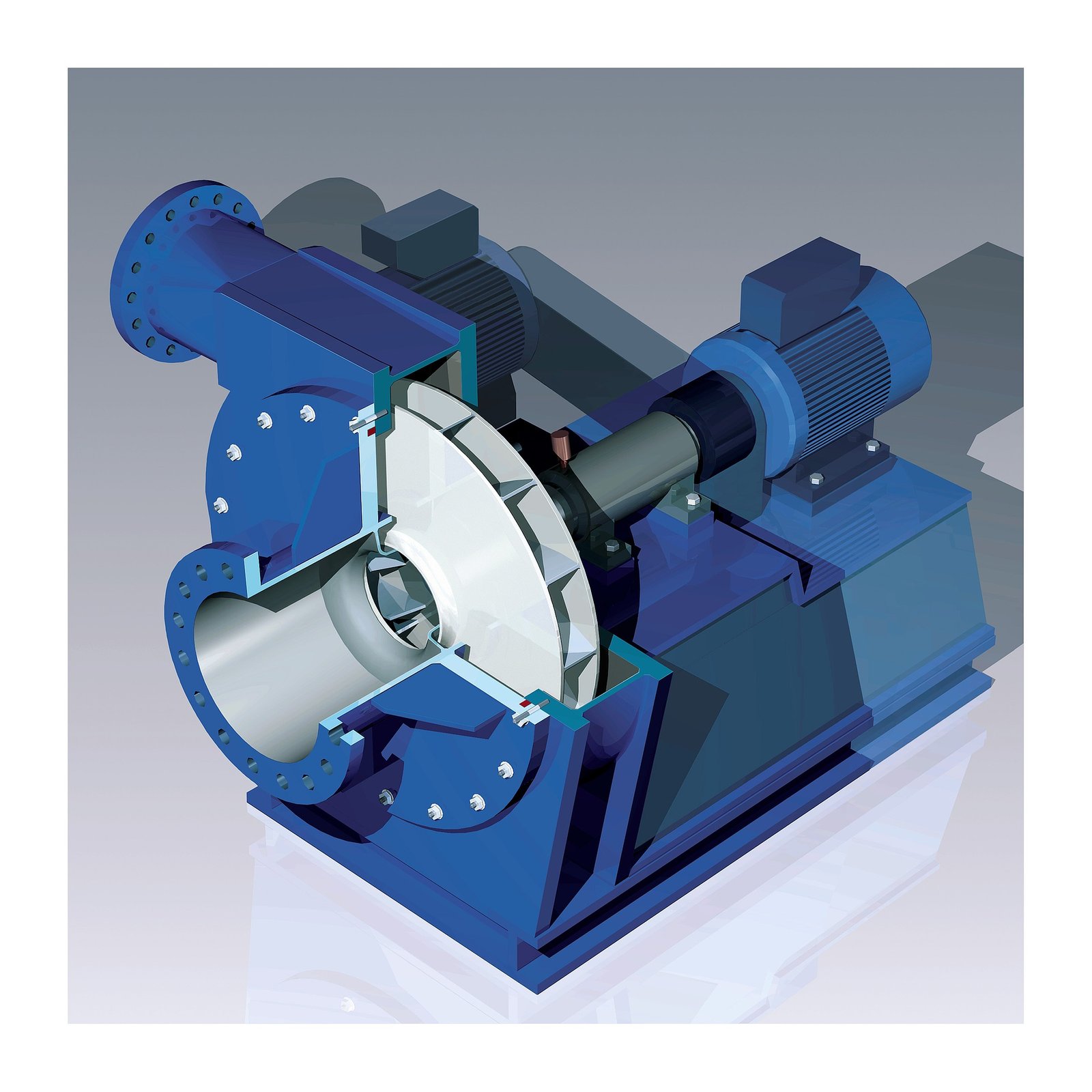
You’ll hear strong opinions on this in every yard, workshop, and procurement meeting. Some people swear by brand-new machines. Others insist that used is the smarter move. The truth is, neither side is completely right. What actually makes financial sense depends on how you work, how often you run your kit, and what kind of pressure your operation puts on it. Even something as specific as a reciprocating compressor can swing either way depending on whether it’s running short bursts a few times a day or working nonstop across long shifts. The decision is all about patterns.
Most buyers look at purchase cost first. Of course, it’s the most visible number. But it almost never tells the full story.
You can buy a used machine for a very low cost and save up on your budget. Wallet feels great, right? But what you didn’t know is that it now needs parts every few months, and has significant wear that wasn’t noticeable at first.
That “cheap” purchase starts quietly adding costs you didn’t plan for. You don’t see them all at once. They show up gradually in delays, small repairs, and extra energy use.
And this isn’t just true for used machinery. New equipment can mislead you, too. Higher cost doesn’t automatically result in higher value. What matters is if it fits your needs. Financial sense is all about buying right!
People often treat maintenance like something separate from the purchase decision. It isn’t. Maintenance is part of the cost of ownership from day one.
Older machines can be perfectly reliable if they’ve been serviced properly. In fact, some seasoned units perform more consistently than new models still settling into operation. But that only holds true if records are clear and parts availability is reliable. Without that, a used purchase can turn into guesswork.
Now flip the scenario. New equipment is, well, new. That means fewer problems at onset. It also has warranties that can make your life easier at the start. But that doesn’t last forever. Over time, everything requires attention. And you need to factor that in when you’re deciding what to buy.
Running costs are where financial sense really reveals itself. Machines cost money every hour they operate.
In used equipment, components aren’t always as efficient as more modern designs. They’re dated, because of which older machines sometimes draw more power than your system can handle. It might not be a big deal right now, but it piles on, leading to massive electricity bills burning a hole in your wallet.
This is especially noticeable with power-dependent equipment. Facilities that rely heavily on generators learn quickly that fuel consumption and load handling matter just as much as output rating. A cheaper unit that burns more fuel can end up costing more than a newer one that runs leaner and steadier.
Look at the resale value as well.
Equipment isn’t always permanent. Sometimes you upgrade, change processes, or move locations. When that happens, resale value matters.
New machines depreciate faster in the early years. Used ones tend to lose value more slowly because they’ve already passed the steepest drop. That means buying used can sometimes protect your investment if you plan to resell later.
But again, condition and demand matter. A well-maintained machine with widely available parts will always resell more easily than an older model. So, think about your exit flexibility here.
Used equipment usually makes more sense when the work itself is steady and not too demanding. If your machines aren’t being pushed hard, you don’t need to pay extra for performance you won’t actually use.
It’s also a sensible option for backup roles or jobs that only run now and then. If a machine is switched on for a few hours a day and sits idle the rest of the time, paying full price for brand-new doesn’t really add up.
When equipment isn’t working near its limit, the smarter choice is normally the one that costs less to keep.
New equipment tends to justify its cost when your workflow is demanding, continuous, or time-sensitive. If your operation depends on consistent output every hour of the day, a breakdown costs more than the difference in price between new and used. That’s when buyers prioritise certainty over savings.
New machines also make sense when technology changes quickly. Updated efficiency systems and improved safety features can sometimes offset their higher price by simply improving productivity.
Think about it. If your worksite works with a lot of pneumatic tools, then a new model portable air compressor enabled with smart technology can be a big win. You’re going to be using it all the time, so you need to be certain of the model.
Ultimately, one is not better than the other. So there’s no one answer to whether you should buy new or used. It’s not a one-size-fits-all. You need to see which type caters to your needs! And then make a decision.

Sorry, No post were found
Subscribe to our newsletter and get top Tech, Gaming & Streaming latest news, updates and amazing offers delivered directly in your inbox.

