How OTT AI Impacts Users, Apps and Future Streaming Trends

By admin
OTT AI Impacts Users
Dec 3, 2025 Reading time : 6 min

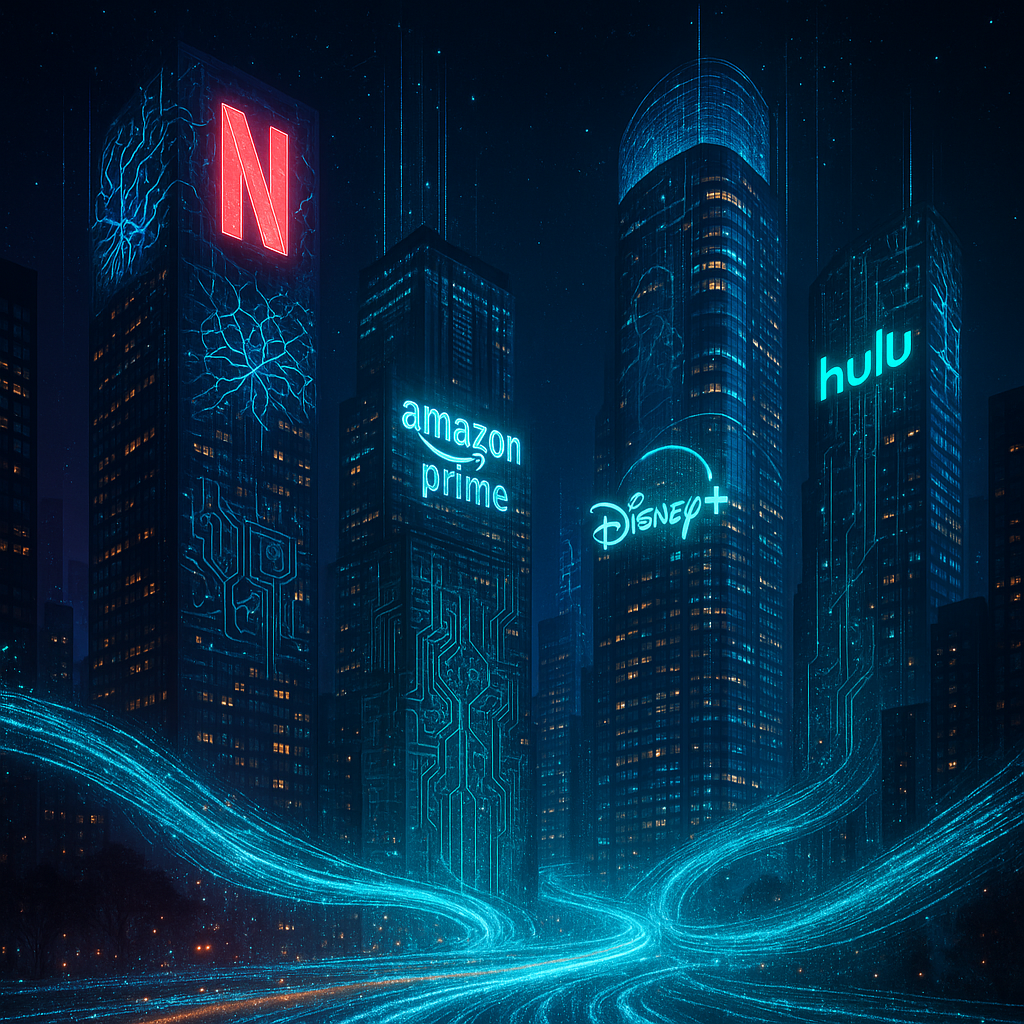
The over-the-top (OTT) streaming industry is experiencing a seismic transformation, driven by the rapid integration of artificial intelligence (AI) across every layer of the digital entertainment value chain. As global OTT revenues are projected to surpass US$523 billion by 2030 (Statista), platforms are racing to leverage AI for hyper-personalized experiences, operational efficiency, and competitive differentiation. This article offers valuable insights and practical guidance on navigating the evolving landscape of artificial intelligence in over-the-top media services. Learn more about how OTT AI is shaping the digital entertainment ecosystem and what it means for consumers, creators, and businesses alike.

Introduction to OTT AI

Over-the-top (OTT) media services have revolutionized how audiences consume entertainment, offering direct access to content via the internet without traditional cable or satellite distribution. As these platforms have grown, so too has the integration of artificial intelligence (AI), giving rise to what is now commonly referred to as OTT AI.

OTT AI encompasses the deployment of advanced machine learning models, natural language processing, and neural network technologies within OTT platforms to enhance content delivery, personalization, and user engagement. This integration allows platforms to analyze vast amounts of viewer data, enabling smarter content recommendations, efficient content management, and innovative viewer interactions.

The evolution of OTT explained reveals a trajectory from simple streaming services to sophisticated ecosystems powered by AI for OTT. Initially, content was delivered with minimal personalization, but today, OTT platforms leverage content discovery algorithms and content recommendation engines to tailor experiences to individual preferences. This shift underscores the significance of OTT AI in shaping the current digital landscape, where user-centric experiences are paramount.

In the context of OTT in AI, the synergy between streaming services and artificial intelligence is pivotal for maintaining competitive advantage. As content delivery networks (CDNs) become more intelligent, they optimize streaming quality through adaptive bitrate ABR streaming, reducing buffering and enhancing viewer satisfaction. Moreover, OTT openai initiatives and AI OTT platforms are exploring new frontiers, such as virtual assistants and interactive content, further embedding AI into the fabric of digital entertainment.

The Impact of OTT AI on the Media and Entertainment Industry

The infusion of OTT AI has profoundly transformed the media and entertainment landscape, delivering benefits across multiple facets:
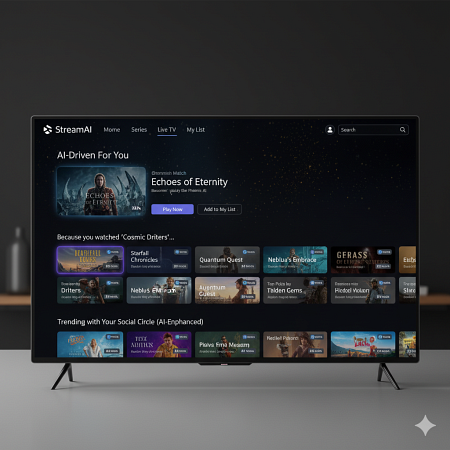
  • Enhancing user experience through personalized content recommendations: Platforms utilize advanced machine learning models to analyze viewing habits, preferences, and behavioral data, enabling highly tailored content suggestions. This personalization increases viewer engagement and satisfaction.
  • Revolutionizing content creation and curation processes: AI-driven tools assist creators in generating content ideas, editing, and even scripting, streamlining production workflows. For example, neural machine translation (NMT) facilitates localization, making content accessible across diverse linguistic audiences.
  • Improving content discovery and engagement metrics: By leveraging content discovery algorithms, OTT services can surface relevant content, increasing watch time and reducing churn. This is especially vital in competitive markets where user retention hinges on seamless discovery.
  • The role of OTT AI in audience analytics and data-driven decision-making: Platforms employ audience analytics powered by AI to understand viewer demographics, preferences, and consumption patterns. Insights derived from AI in OTT platform data inform content acquisition, marketing strategies, and platform enhancements, aligning offerings with audience demand.

Key Applications of OTT AI in Modern Streaming Platforms

Several innovative applications of OTT AI are shaping the future of streaming:

  • Advanced content recommendation algorithms and viewer personalization: Utilizing machine learning and neural network models, platforms deliver real-time, context-aware recommendations, significantly improving content discovery.
  • Automated content tagging, metadata generation, and indexing: AI automates the tedious process of tagging and indexing vast libraries of content, enabling faster searchability and better organization. This process often employs AI in OTT platforms to generate accurate metadata, facilitating efficient content management.
  • AI-powered content moderation and copyright enforcement: To combat piracy and inappropriate content, platforms deploy AI for OTT moderation tools that detect violations swiftly, ensuring compliance and protecting intellectual property.
  • Interactive and immersive experiences enabled by AI: Features such as chatbots, virtual assistants, and AI-driven interactive content enhance user engagement, offering personalized interactions and support.
  • Enhancing advertising strategies through targeted and programmatic ads: Platforms leverage AI on OTT to deliver highly targeted advertising, optimizing ad spend and improving conversion rates. Tools like IBM Watson Advertising Accelerator facilitate sophisticated ad targeting and measurement.

The future of OTT AI is poised for rapid advancement, driven by emerging technologies:
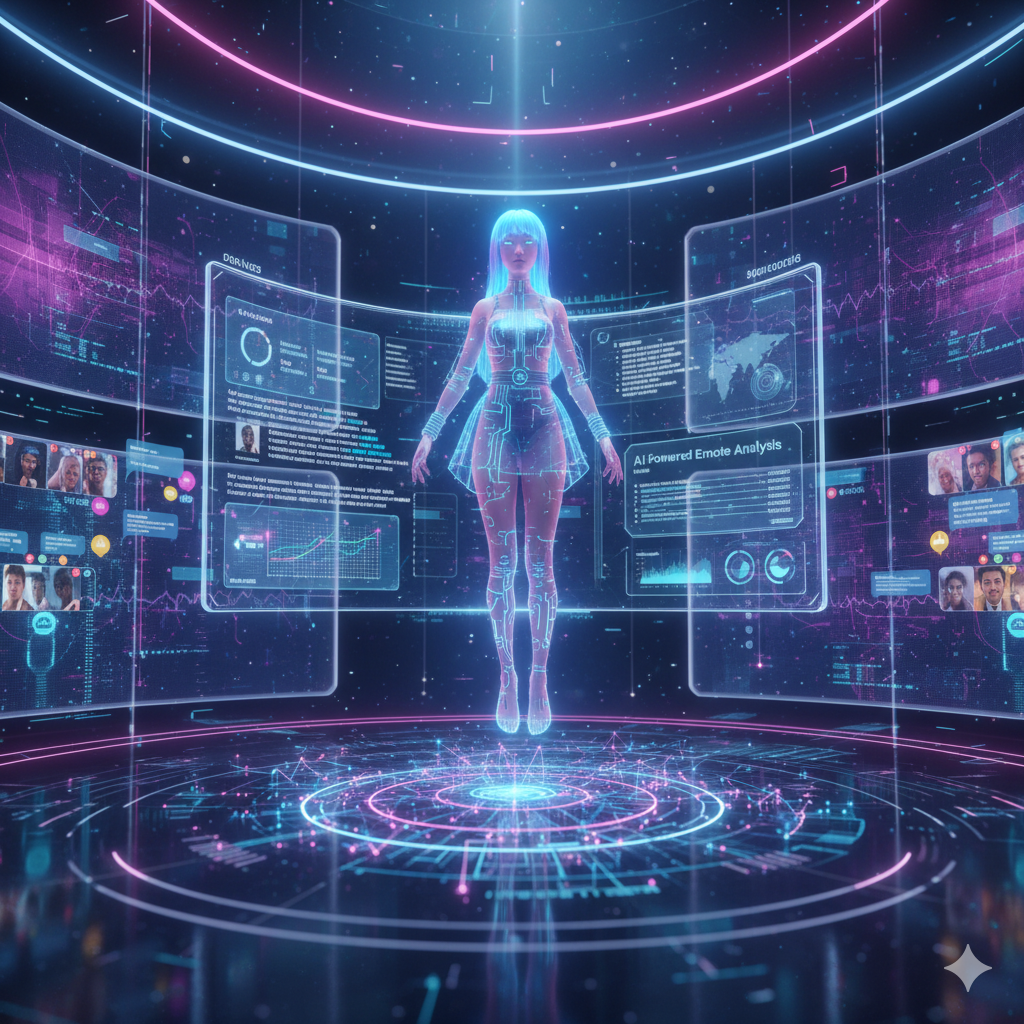
  • Emerging technologies shaping OTT AI: Innovations such as deep learning, natural language processing (NLP), and neural machine translation (NMT) will continue to refine personalization, content creation, and user interaction.
  • The potential of AI-driven content creation and virtual influencers: AI-generated content, including virtual influencers and synthetic media, could revolutionize storytelling and marketing within OTT ecosystems.
  • Ethical considerations, data privacy, and regulatory compliance: As AI becomes more pervasive, concerns around bias, transparency, and user privacy grow. Ensuring responsible AI deployment will be critical for maintaining trust.
  • Challenges in AI implementation: Issues such as bias, lack of transparency, and user trust pose hurdles. Platforms must develop understandable AI models and adhere to regulatory standards to mitigate these concerns.
  • Predictions for the future landscape of OTT AI and digital entertainment: The integration of AI in OTT is expected to lead to more immersive, personalized, and interactive experiences, transforming how content is created, distributed, and consumed.

Conclusion

OTT AI is undeniably a transformative force within the digital entertainment ecosystem. Its ability to enhance content delivery, streamline content discovery, and enable personalized user experiences underscores its strategic importance for OTT platforms.

For consumers, this means more relevant and engaging content; for creators, new tools for content production and distribution; and for businesses, data-driven insights that inform strategic decisions. Staying ahead in this rapidly evolving landscape requires understanding OTT, embracing technological innovations like advanced machine learning models, and addressing ethical challenges proactively.

Looking forward, the trajectory of OTT AI promises continued innovation, with emerging trends such as virtual influencers, AI-driven content creation, and smarter content recommendation systems. As the industry advances, a balanced approach that prioritizes privacy, transparency, and user trust will be essential to harness the full potential of artificial intelligence in OTT media services.

admin
Posted by
admin
Subscribe to our newsletter

Subscribe to our newsletter and get top Tech, Gaming & Streaming latest news, updates and amazing offers delivered directly in your inbox.